Starting a yoga workout can feel like trying to learn a secret language while balancing on one leg. You see the "pros" at the studio or online and think, there is no way my hamstrings are ever doing that. But here is the tea: everyone starts somewhere, and usually, that "somewhere" involves a lot of wobbling and a little bit of confusion. This 30-minute routine is designed to strip away the gatekeeping and give you a factual, impactful, and low-key vibe for your home practice.
Before you step on the mat, grab a cup of green tea. Why? Because the L-theanine and caffeine work together to sharpen your focus and minimize that "I have a million things to do" anxiety. It’s the ultimate pre-game for your brain. Once you’re hydrated and centered, follow this flow to start your journey toward total mind-body dominance.
Phase 1: The Grounding (0–5 Minutes)
We start small. Don’t rush into the big moves; your nervous system needs a minute to realize we aren’t at the office anymore.
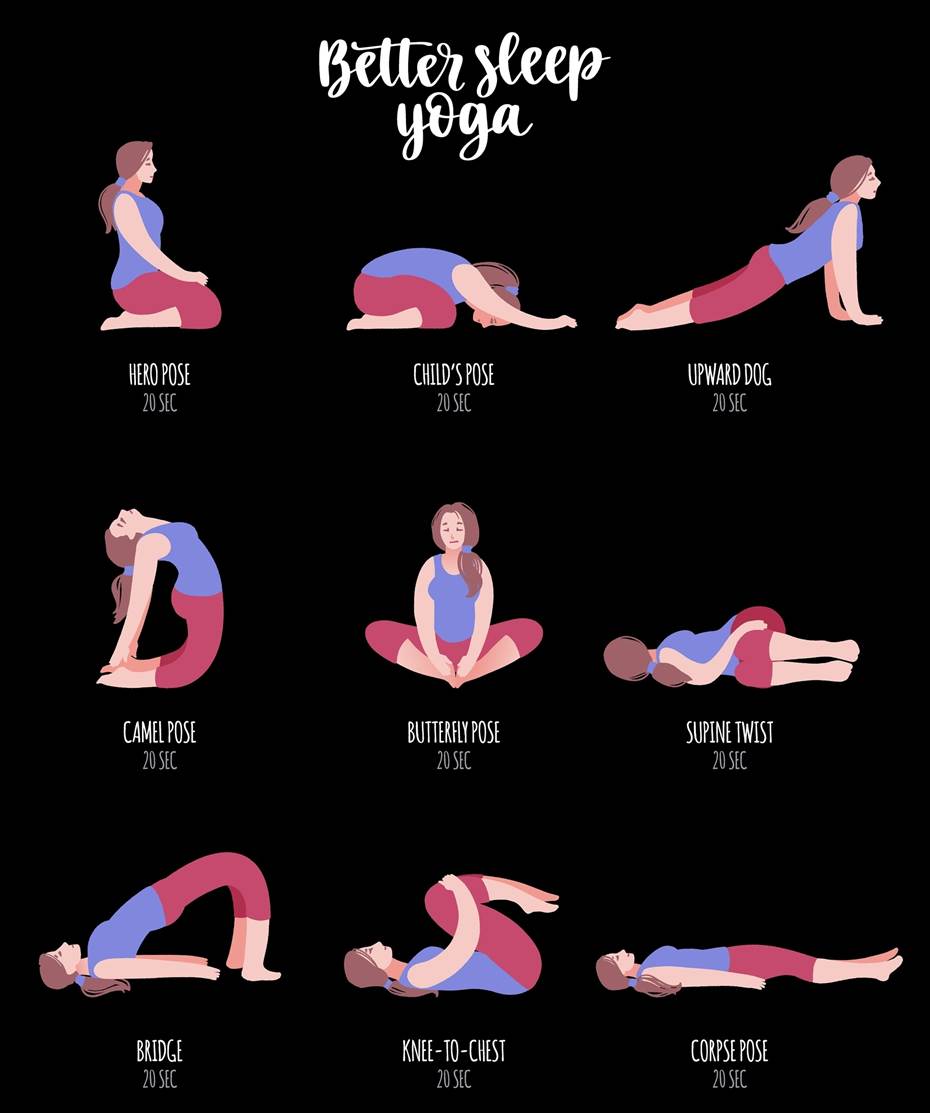
- Child’s Pose (Balasana): Sink your hips back toward your heels and reach your arms forward. This isn't just a rest; it’s a way to decompress the spine.
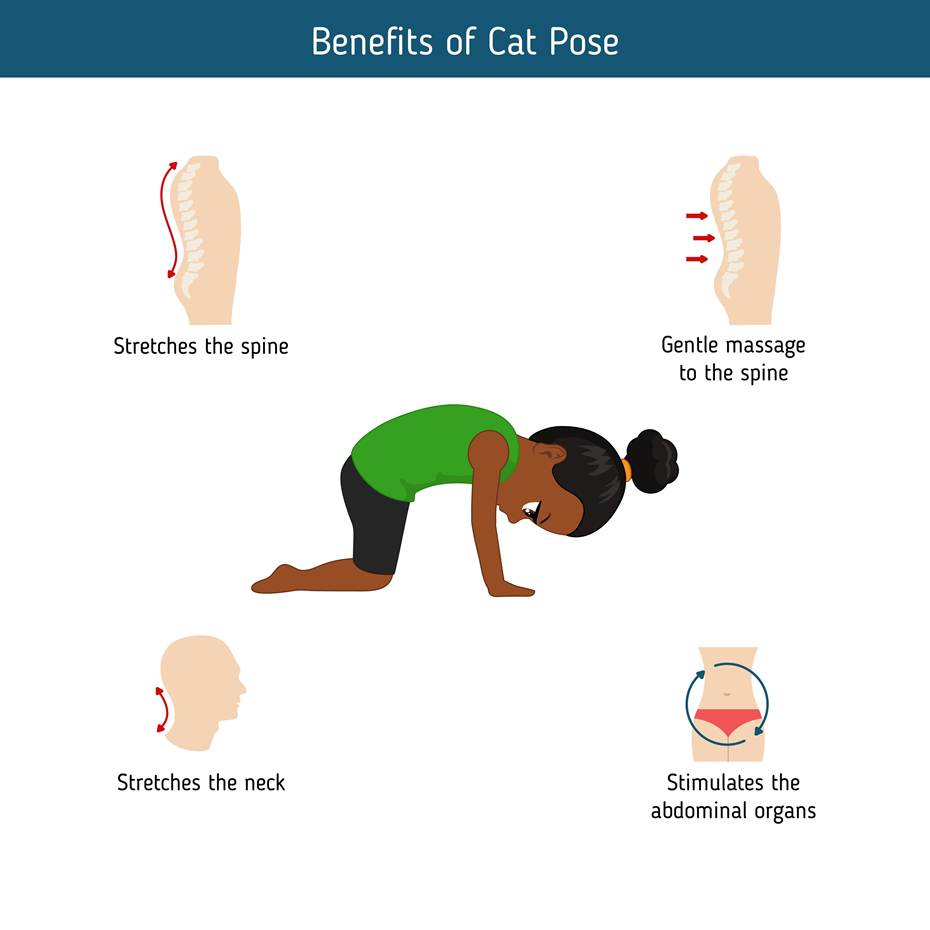
- Cat-Cow Stretch: Move onto all fours. Inhale, drop your belly, and look up (Cow). Exhale, tuck your chin, and round your back like a grumpy cat. This wakes up the fluid in your spine.
Phase 2: Building the Heat (5–15 Minutes)
Now that the joints are greased up, we need to get the heart rate going. The catechins in your green tea are already working to boost your metabolic rate, so let's give them some physical movement to play with.
- Downward-Facing Dog (Adho Mukha Svanasana): Tuck your toes and lift your hips high. Don’t worry if your heels don't touch the floor, it’s about the length in your back, not the "flatness" of your feet.
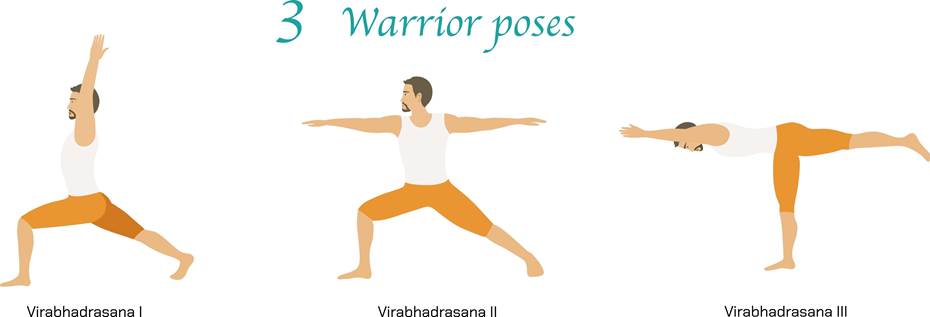
- Warrior I (Virabhadrasana I): Step your right foot forward, plant your back heel at a 45° angle, and reach your arms to the sky. This builds functional strength in the legs and opens the chest.
- Warrior II: Open your hips and arms out to the side. Look over your front hand. This is where you find your "warrior focus."
Phase 3: Balance and Core (15–25 Minutes)
This is the "dominance" part of the workout. We’re working on stability, which is crucial as we age to protect our joints and brain health.
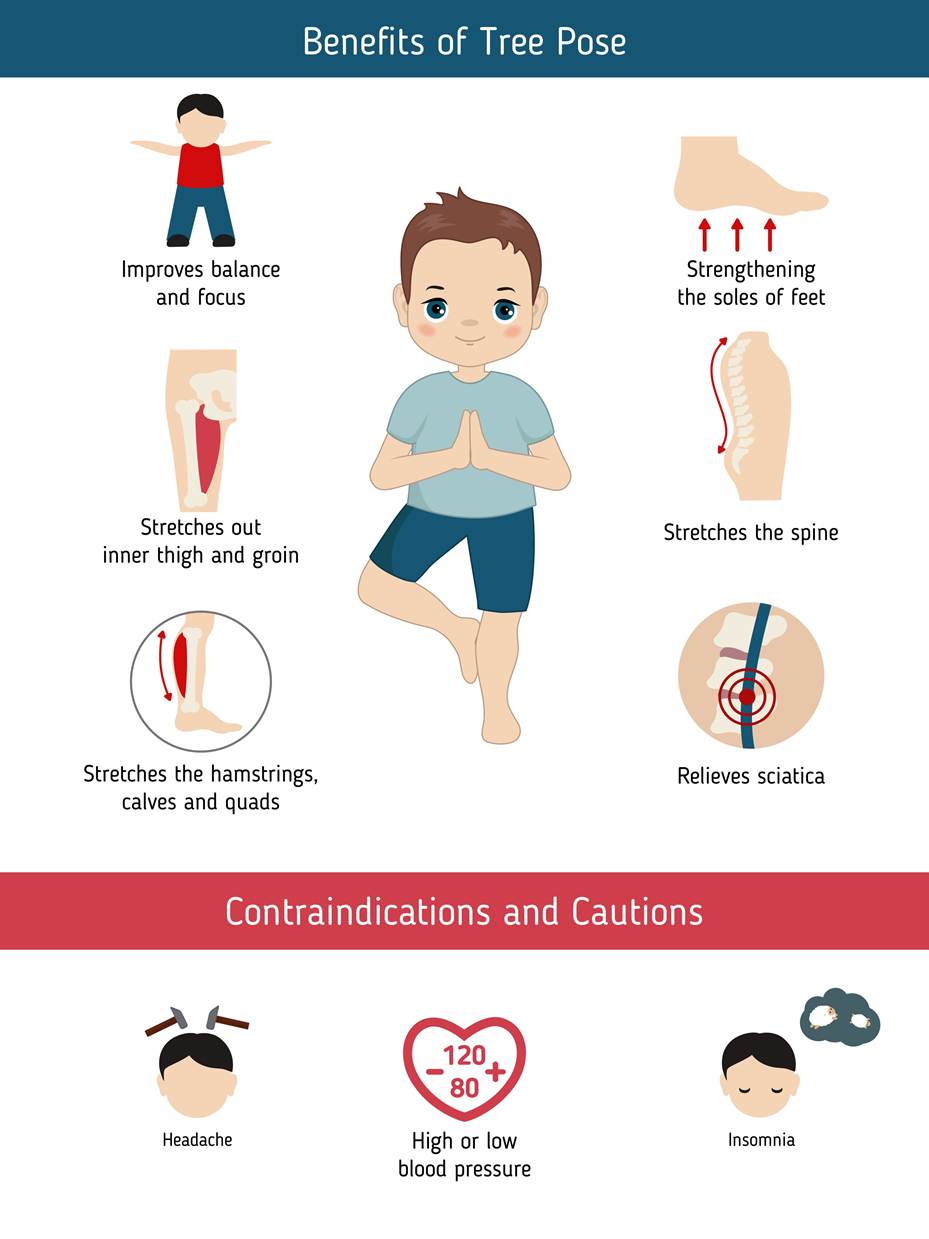
- Tree Pose (Vrksasana): Bring the sole of your foot to your calf or thigh (just stay off the knee!). If you fall, laugh it off and get back up. That’s the real yoga.
- Plank to Low Plank (Chaturanga): Engage your core. This builds that upper body strength that makes everything else feel easier.
- Cobra Pose (Bhujangasana): Lie on your belly and gently lift your chest. This counteracts the "desk slouch" we all deal with daily.
Phase 4: The Cool Down (25–30 Minutes)
You’ve done the work. Now, it’s time to let the benefits sink in. Remember, green tea helps reduce oxidative damage and inflammation, and this quiet time helps your body process that recovery.
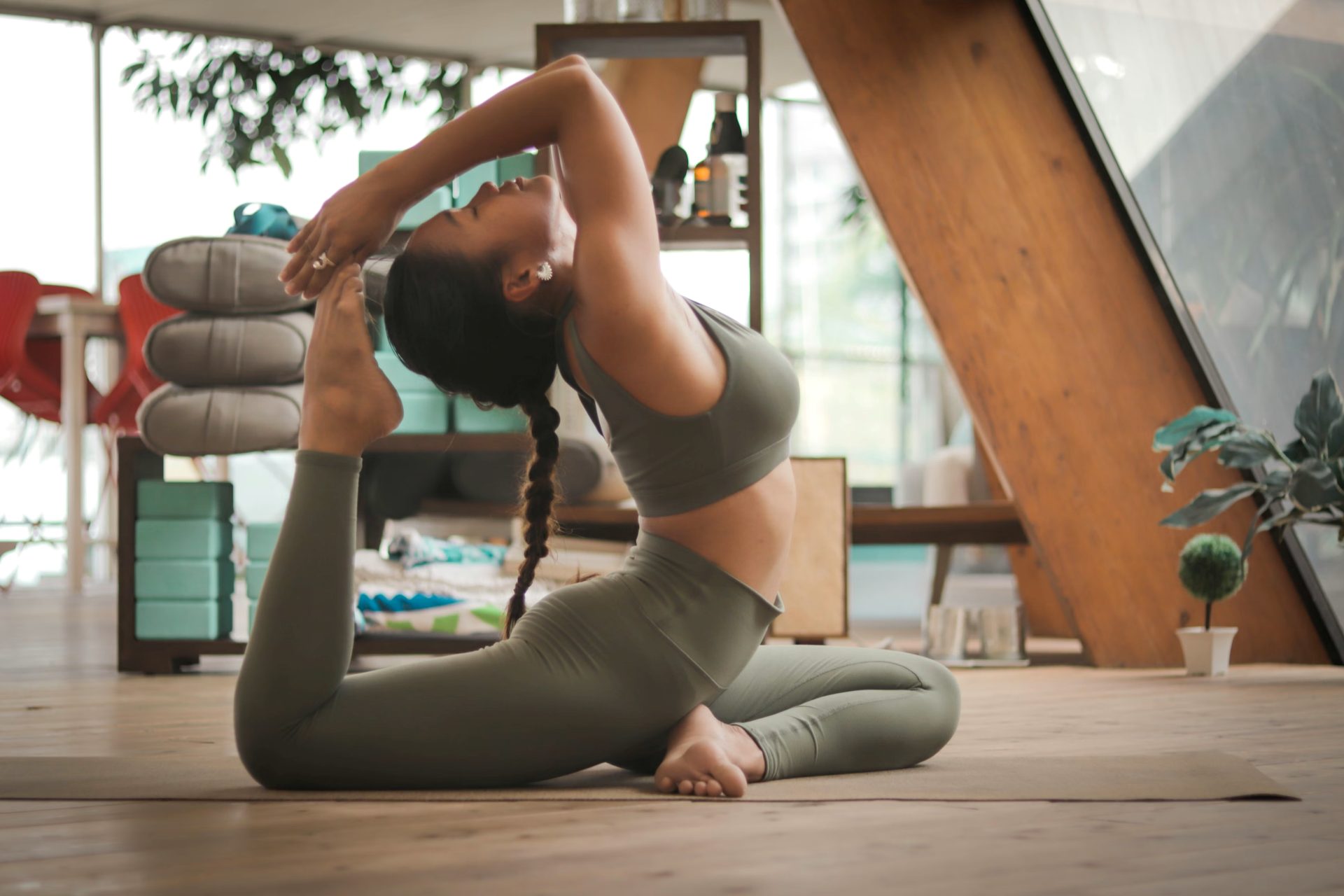
- Pigeon Pose: A deep hip opener that releases the tension we carry from sitting all day.
- Corpse Pose (Savasana): Lie flat on your back. Close your eyes. Do nothing. This is the hardest pose for beginners because it requires total mental stillness.
Why This Matters
This 30-minute block isn't just about "stretching." You are actively fighting against chronic issues like Type 2 diabetes , heart disease , and even neurodegenerative diseases by combining movement with high-antioxidant habits like green tea consumption.
At KitsnCo.com, we believe yoga should be relatable. It’s okay if you can’t touch your toes today. It’s okay if your balance is weak. The fact that you showed up for 30 minutes is the win.